Community
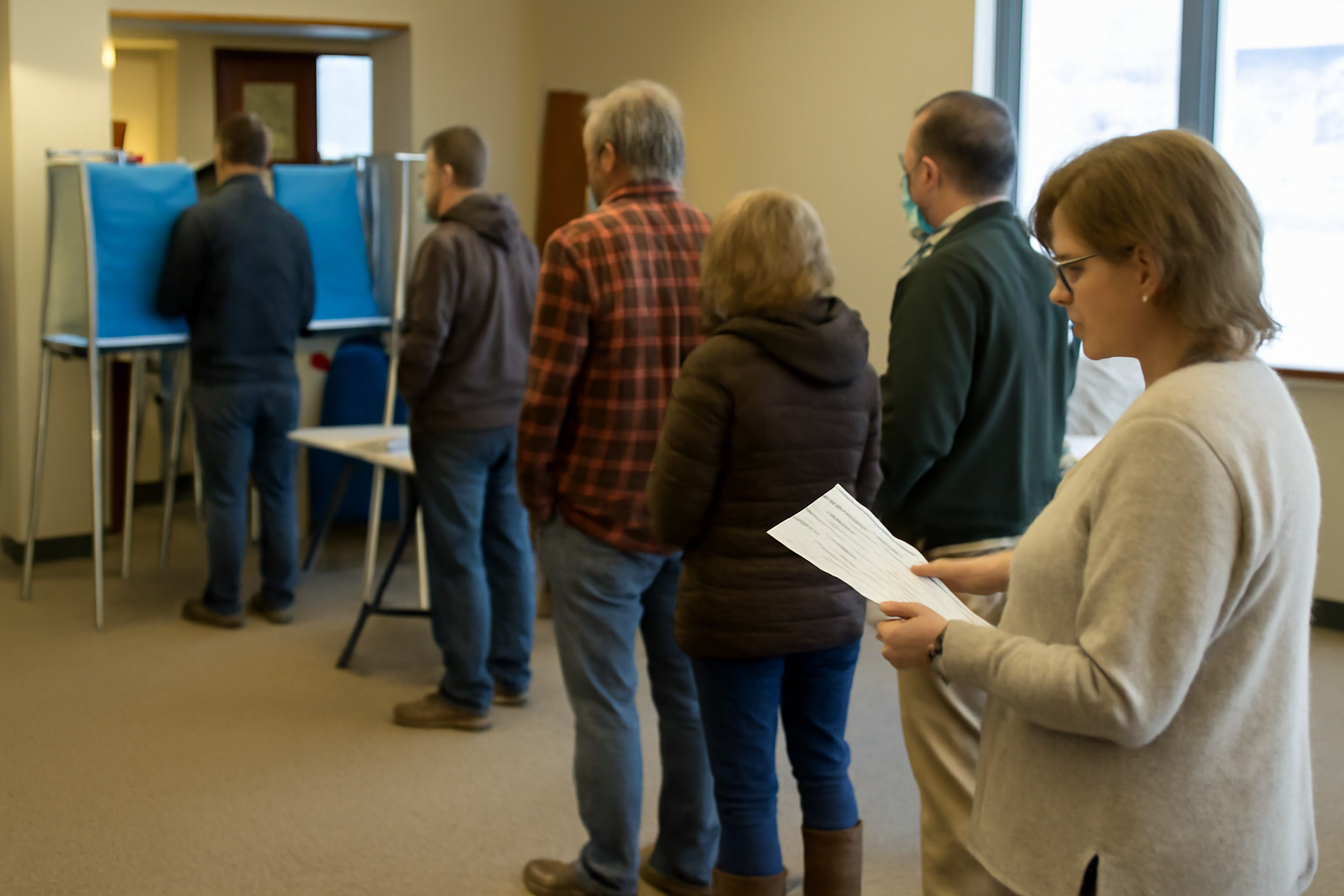
After long waits at Stevens Point polls, city moves to speed up voting process
By Marcus Chen
Advertisement · Why this ad?
Marcus manages the day-to-day editorial workflow across all brands, coordinating coverage assignments and ensuring editorial standards are met. He previously served as city editor at the Pioneer Press and holds a degree in Political Science from Carleton College.
More from Marcus →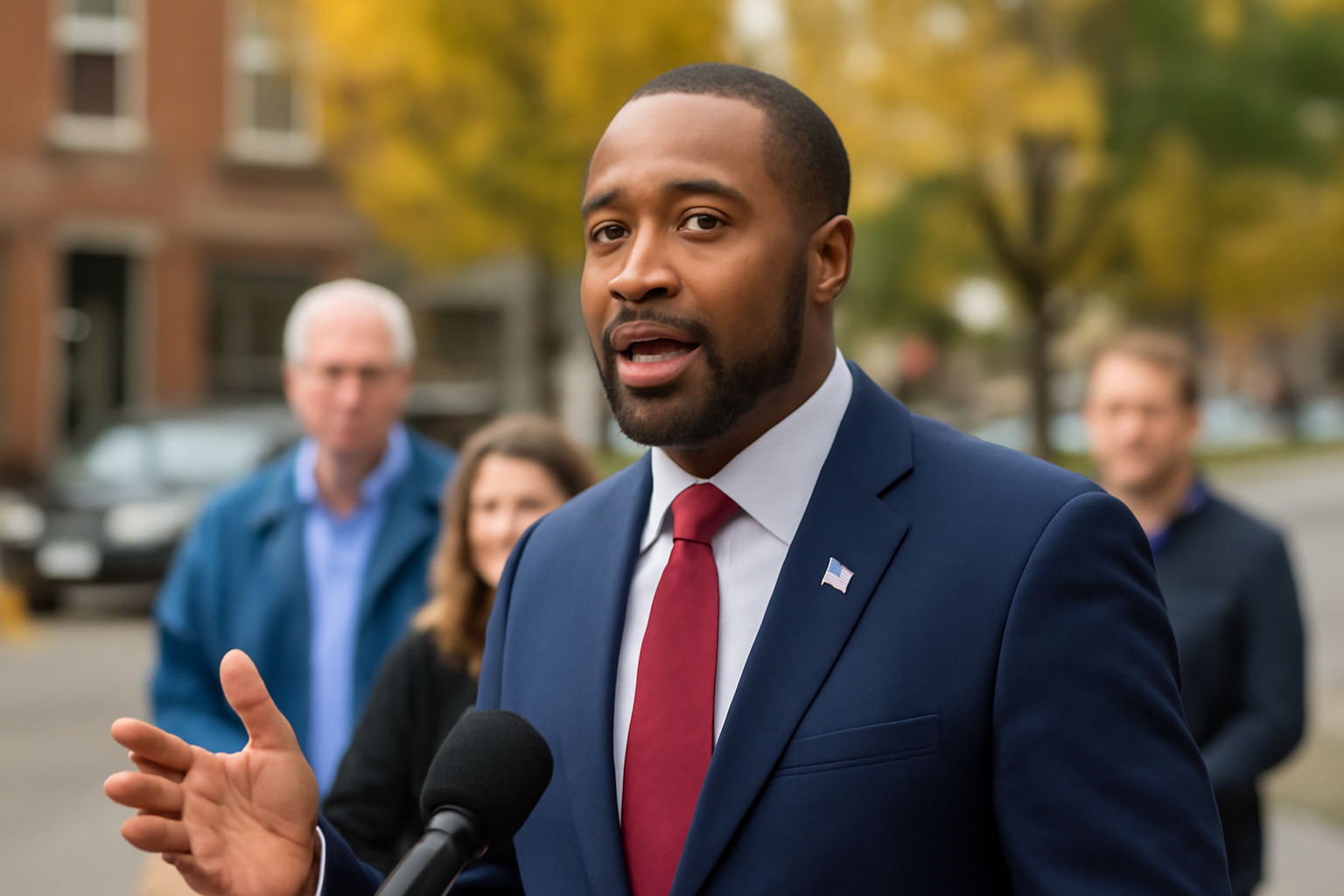
Milwaukee County Executive David Crowley will be the next governor of Wisconsin, after clinching a sizeable win Tuesday over U.S. Rep. Tom Tiffany. The Milwaukee Democrat won’t be alone in Madison: Democrats also flipped the state Legislature, and will be in control of the Senate and Assembly for at least the next two years. Crowley’s win was historic : He will be Wisconsin’s first Black governor. And Tuesday’s election was a seismic one for Wisconsin Democrats , who have not held power in the Legislature since 2010. Two days after the election, WPR interviewed Crowley about his goals for the office, how he’ll achieve his campaign promises — especially bringing down costs — and how he’ll take advantage of Tuesday’s significant national blue wave . Understanding Wisconsin, Together. WPR’s “Wisconsin Today” newsletter keeps you connected to the state you love without feeling overwhelmed. No paywall. No agenda. No corporate filter. Phone This field is for validation purposes and should be left unchanged. Email Subscribe WPR also asked Crowley about a new report that the Milwaukee county budget, which he oversees as county executive, had a multimillion dollar hole in it that was not disclosed until after Election Day. This interview has been edited for length and clarity. Anya van Wagtendonk: Lots of pressure on you and on Democrats right now to seize the opportunity of this blue wave. What are the first and most important things that you all need to get done? David Crowley: Well, right now, my biggest focus is on my transition team. You know, it’s about making sure that we not only have the best team in place, but also, while we’re pulling our transition team together, we’ll also be going through the budget process. It’s about putting that team in place and making sure that we are preparing to deliver results for hardworking Wisconsinites. And that means that we need to lower their costs. And so, whether we’re looking at housing, childcare, healthcare, utilities, property taxes, you name it, we’re going to be taking all of that into account. But having those people in place are going to be key, and then this way we can hit the ground running once we are sworn in on Jan. 4. AVW: What are some tangible things that you can do to lower those costs, especially now that you also have this trifecta, this governing coalition? DC: I’ve been in government, state government, long enough to know that you can’t just put your priorities out there without having conversations with legislative leaders. And we have had some conversations about what those priorities would look like. First and foremost, we have to tackle the affordability crisis. This comes down to our public education. How do we lower the property taxes for many of our local municipalities? We know healthcare is a huge topic as well, due to the decisions that were made at the federal level, and how do we bridge many of those gaps here at the state level? But my focus is going to be working with our legislative leaders and working with Dianne Hesselbein and Greta Neubauer to make sure that we are rowing in the right direction together, now that we have this democratic trifecta. My governing style is always to bring as many people to the table as possible and work with folks to get things done, and that’s what I plan on doing with our legislative leaders with the trifecta. AVW: The last time Democrats had a trifecta, (former Gov. Jim) Doyle said he wouldn’t run for reelection, and then Democrats lost the Legislature within two years. Do you have a plan for maintaining that Democratic hold? DC: It’s about delivering for the people. The best thing that we can do now that we are going to have total power is making sure that we deliver. I think that we have to be extremely bold in our agenda, but we can’t be stupid to where we’re not going to have this these majorities in two years, four years from now. And so, one is, undoing a lot of the bad policy that was passed and implemented during the (former Gov. Scott) Walker era. Looking at what we can do to solidify a stronghold moving forward. But at the end of the day, it’s making sure that we’re listening to the people that we represent. As Democrats, this is an opportunity to really prove that we can not just win, but that we can govern. And I’m looking forward to working with all of our legislative leaders to do so. And I’m going to have an open door policy meeting with legislators, bringing in as many ideas as possible on both sides of the aisle in order to deliver. AVW: How do you plan to work with President Donald Trump’s administration for the next two years? DC: Just because you may push back against bad policy doesn’t mean that you can’t push forward together as well. My mindset is — has always been — I am willing to work with anyone who wants to deliver for the 6 million people that call the Badger State home. And so, you know, I welcome working with the Trump administration or any level of government when it comes down to improving the quality of life for Wisconsinites all around. But that doesn’t mean that we’re not going to push back when need be. AVW: Some of those affordability concerns, they are tied to things that are beyond your control. They are tied to things like inflation and wars and tariffs. How do you kind of start to address those concerns for Wisconsinites, knowing that you don’t have control over some of these major levers of what is driving high costs? DC: Yeah, we may we may not be able to control costs, but we can help families create different levels of savings in order to keep more money in their pockets. And you do that through property tax relief, helping to fund our public schools to make sure that the local property taxes can continue to stay as low as possible to keep money in people’s pockets. You do that … (by) repealing the minimum markup law that we have had on gas for almost 100 years. But it’s also healthcare. The more and more access that we can give people to affordable healthcare options, that helps to save more money. And so there are some things that we’re going to have to do, and we’re going to do that working together once I’m sworn in throughout this budget process to make sure that we have total buy-in between both houses. AVW: You won on Tuesday with the largest margin since Tommy Thompson almost 30 years ago. So, you’re talking a lot about working with other people and bringing many different types of people to the table. Do you not take Tuesday as a mandate for you and your agenda and a chance to kind of do whatever David Crowley wants? DC: I think that there are a lot of people who look at this map and go, “Oh, there was this blue wave,” or, “There’s this blue tsunami.” But for me, this is this is still a purple state. We have to make sure that we are rowing in the right direction so everybody gets ahead, not just Democrats, not just Republicans, but everybody. And so my mindset, ever since that I’ve been a staffer, serving in the Assembly, as a county executive, is that, even if there is a mandate for me to be able to go out there, I still need to work with everybody. I still want to be able to hear the concerns and the voices of those who are on the ground, who are the front line workers and those directly impacted to make sure that we’re doing what is right. My plan is never to govern in a place where it feels like I’m strictly a partisan governor, or a partisan county executive for that matter. You know, this is about right versus wrong, not left versus right. AVW: Looking at your election a little bit, this was the most expensive governor’s race in the history of Wisconsin, fueled largely by billionaires, many of whom were supporting Congressman Tom Tiffany . But you also had support from billionaires. A lot of that is because of this loophole that lets people make unlimited contributions to state parties. Do you support closing that campaign finance
By Marcus Chen
By Katherine Langford
By Katherine Langford
By Marcus Chen